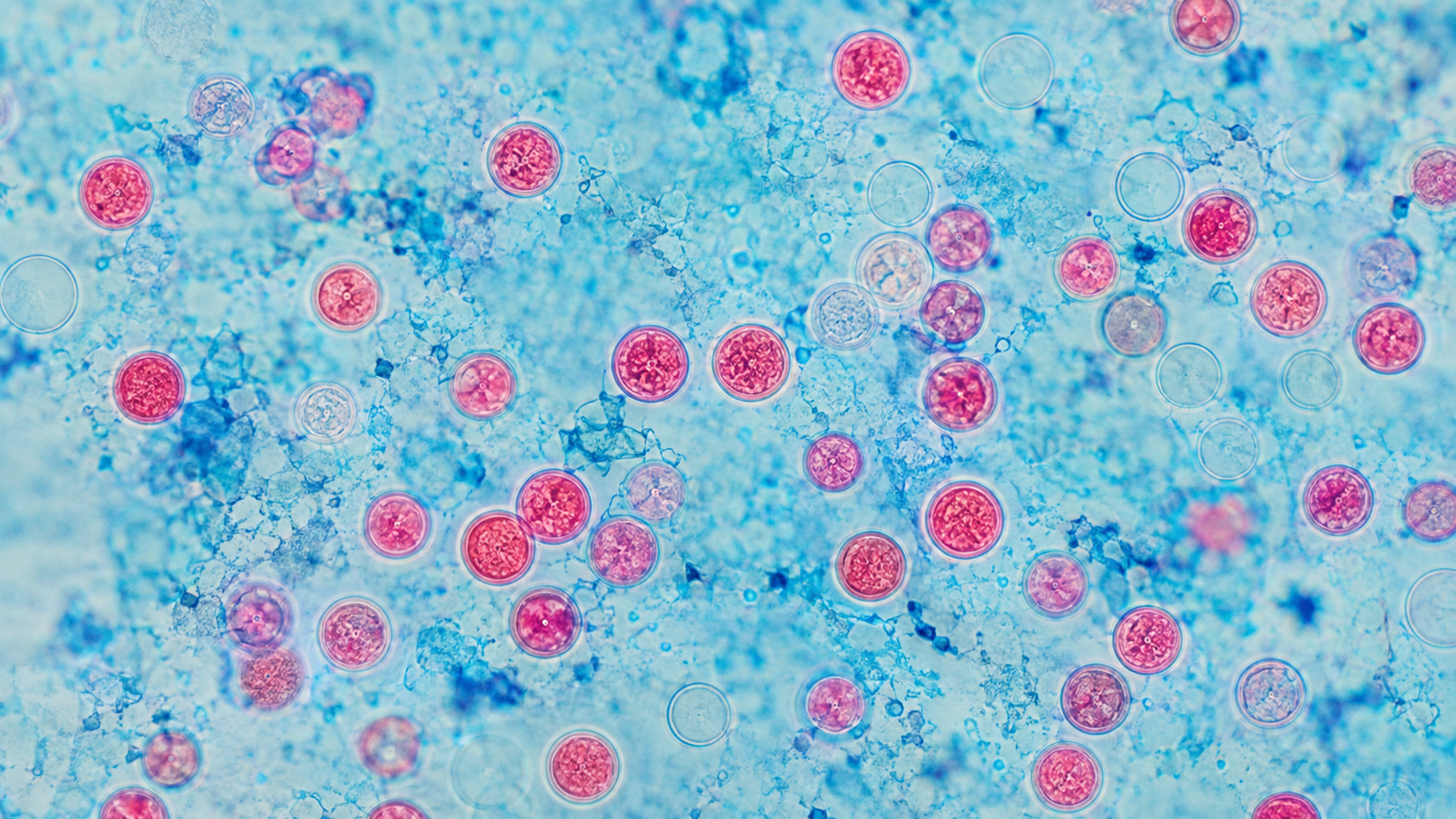
The Cyclospora Outbreak UK is becoming a concern as health officials and people get worried about the growing number of gastrointestinal infections associated with the parasite Cyclospora cayetanensis. Cyclospora infections are infrequently reported in the United Kingdom, but may result from human exposure to contaminated fresh produce that has entered the food supply. Knowing the causes, symptoms, treatment options and prevention strategies is crucial in helping to minimize the risk of becoming infected.
This article will tell you all about the Cyclospora outbreak in the UK – including how it can spread, who is at most risk and what you can do to protect yourself.
What Is Cyclospora?
Cyclospora is a tiny parasite that attacks the small bowel. It leads to a sickness called cyclosporiasis, mainly affecting the digestive system. Infection occurs when people eat or drink food or water that has been contaminated with Cyclospora oocysts.
Cyclospora is not directly transmitted from person to person like some other bacteria are. The parasite must spend time outside the human body before it infects the body and contaminated fruits, vegetables and water are the most common means of infection.
Understanding the Cyclospora Outbreak UK
The Cyclospora Outbreak UK has led to public health officials to consider possible connection with fresh produce imports. Cyclospora outbreaks have been linked to foods such as leafy greens, herbs, berries, uncooked salad vegetables and other uncooked foods in various countries.
A few of these foods come from areas of the world where the presence of Cyclospora is more widespread and can be contaminated before supermarkets. Food suppliers are frequently consulted with health agencies to help determine the source and remove contaminated foods from the food supply.
Some common symptoms of Cyclospora infection are:
Symptoms typically appear within a week of eating or drinking food or water that may have been contaminated. Sometimes symptoms can occur a little earlier or later.
Common symptoms include:
- Watery diarrhea
- Frequent bowel movements
- Loss of appetite
- Stomach cramps
- Nausea and vomiting
- Fatigue
- Mild fever
- Weight loss
If not treated, symptoms can persist for several weeks or can recur after being temporarily improved. There are some people who go through periods of sickness and recovery over a long period.
Who is at greatest risk?
Cyclospora can infect anyone, but some people are more susceptible to developing a serious illness.
Immune-suppressed individuals might have more severe symptoms. Older adults and those with chronic health conditions as well as young children may experience a difficult recovery as well. People who have recently visited areas with higher rates of Cyclospora infection might be more likely to be infected.
How Cyclospora is diagnosed:
It may be difficult to diagnose Cyclospora because it can have many of the same symptoms as other stomach infections. Stool sample is usually ordered to detect the presence of the parasite.
Cyclospora does not always appear on routine stool exams, and special laboratory techniques may be necessary to detect it. Persisting symptoms following return from travel or following ingestion of suspected contaminated food may warrant further testing.
Cyclospora Infection Treatment
With proper treatment most healthy people will recover. This is treated by prescription antibiotics that target the parasite.
Hydration is also a key element to consider, particularly for those with long-lasting diarrhea. Avoid dehydration by drinking lots of liquids and restoring lost electrolytes.
Anti-diarrheal remedies should not be given without medical advice since these may not be suitable in all cases.
Prevent Cyclospora Infection
While it cannot be guaranteed that you won’t be exposed to all risks, there are some precautions you can take to minimize the risk of infection.
Rinse fresh fruits and vegetables before eating them. Washing may not kill all parasites, but it will help to decrease the amount of dirt or other parasites that may be harmful.
Buy food from reliable stores that observe good food safety practices. Properly store fresh foods and prevent cross-contamination in the kitchen.
Drink safe, clean water; especially when traveling internationally. Use bottled or treated water if you are not sure about the quality of the water.
To be honest, it hasn’t been a pleasant experience.Well, I’m not sure, it hasn’t been particularly fun.
Consumers should be alert to any food safety announcements and product recalls made by health authorities during the Cyclospora Outbreak UK. If a specific food is associated with a particular outbreak, refrain from eating that food until it has been declared safe.
The food retailing, catering and restaurant sector also has a key role to play in ensuring high standards of hygiene and in planning the purchase of quality food from trusted suppliers. Contamination risks are minimized throughout the food supply chain by proper handling and storage.
When to visit a Doctor
If diarrhea persists for more than a few days or is severe, or causes dehydration, high fever or weight loss, medical care should be sought.
Pregnant women, young children and people with compromised immune systems should seek medical assistance immediately if they have symptoms that may be caused by Cyclospora infection.
Prompt diagnosis and treatment can help to limit the duration of illness and minimize the risk of complications.
Conclusion
The Cyclospora Outbreak UK serves to remind us of the need for food safety, hygiene and prompt medical care when symptoms of digestive upset occur. While outbreaks of Cyclospora infections are uncommon, outbreaks can occur when fresh produce is contaminated and result in illness among numerous individuals.
People can minimise their risk of infection by washing fruit and vegetables, observing good food hygiene, keeping up to date with public health information and seeking medical assistance if needed. One of the best ways to prevent the spread of Cyclospora and keep people healthy is to be aware of it.