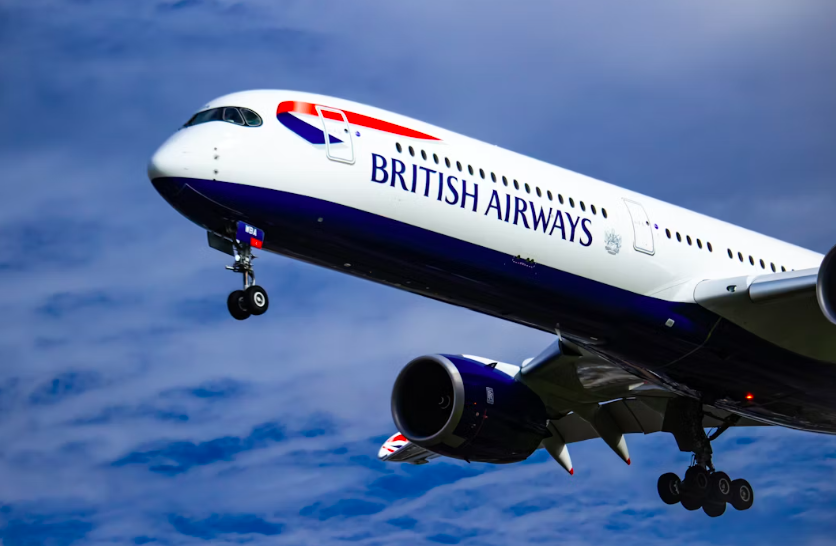
Air travel is one of the safest available ways to travel but there is never any guarantee that emergencies will never arise when the pilots are alerting them to a technical problem, medical emergency or unforeseen operational problem. London Heathrow Airport is one of the busiest in the world, so the British Airways emergency flight is understandable to draw public attention. Aircraft emergency does not necessarily indicate that there is an emergency situation in life. In many situations, it is merely a safety precaution to keep all board members safe.
What To Expect From A British Airways Heathrow Emergency Flight
British Airways emergency flight is any British Airways flight that has declared an emergency and is either departing from, arriving at or returning to Heathrow Airport. Pilots can give an emergency code to air traffic control in cases of unexpected events which demand priority handling.
Technical failures, smoke alarms, hydraulic problems, bird strikes, engine problems, passenger medical crises, or weather-related problems are among these emergencies. Modern aircraft are designed to have several backup systems to deal with such situations safely.
Because They Are So Easy
An emergency declaration does not always mean that there is a danger of imminent threat. Aviation authorities prefer that pilots report issues before they get worse.
Some of the most common reasons include:
- Technical/Mechanical issues
- On board medical emergencies.Medical emergencies on board.
- Engine performance warnings
- Fumes or odours from the cabin
- The risk of collisions with birds during takeoff/landing.
- Faults in hydraulic or electrical system
- Fuel management issues
- Severe weather conditions
In many instances, the aircraft lands without passengers knowing there has been an emergency declared by the crew.
How The Heathrow Airport Responds
Heathrow Airport is a leader in the UK and Europe in terms of its emergency response. If an emergency is declared by air traffic control, the airport immediately puts in place the safety procedures that have been selected.
Fire and rescue teams are on standby near the runway, medical teams are standing by, and emergency vehicles are on standby waiting for the aircraft’s arrival. Air traffic controllers also give the impacted flight priority landing clearance and divert other flights when required.
These measures are planned to minimize risk and provide rapid response in case assistance is needed after landing.
What happens to a British Airways when there’s an emergency?What happens when there is an emergency situation for a British Airways?
British Airways adheres to the highest international standards in aviation safety in the event of a crisis. Throughout a flight crew’s career they will have intensive simulator training to prepare them for hundreds of emergency scenarios.
When a pilot encounters a problem, he or she has to consult closely with the operations team, aircraft engineers, and air traffic controllers to evaluate the situation. Cabin crew are responsible for passengers’ safety by giving clear instructions and staying calm in the cabin.
Engineers examine the aircraft as soon as it lands, before it is returned to service, if necessary.
What Passengers Experience
British Airways passengers boarding a flight that has been called off due to emergency conditions on the plane might see a few strange things. The captain may declare a technical problem and explain that the aircraft will be brought back to Heathrow or be given priority landing.
Everyone should be reminded by cabin crew to put on seatbelts, tie up belongings and check the safety messages. Passengers may also be asked to make preparations for a landing that is anticipated to be earlier than planned in a precaution situation.
Most emergency landings take place smoothly without any injuries or evacuations albeit with the changes that have taken place.
Why Emergency Landings Are frequently Precautionary
Commercial aircraft have multiple redundant systems and are designed so that if a system fails, the aircraft can continue to fly in a safe manner.
Pilots are instructed to take conservative choices. The best place to return to Heathrow after a warning light or system alert is usually recommended even if the aircraft is fully controllable.
This is a proactive measure and helps to prevent minor issues becoming more serious issues later in the flight.
The Importance of Pilot Training
British Airways airline pilots are continuously trained throughout their careers. Engine failures, system malfunctions, severe weather and other emergency conditions are simulated during simulator sessions.
This training enables pilots to respond swiftly and confidently when under stress. All emergency protocols are rehearsed and repeated in order to respond to emergency situations when they occur in accordance with internationally accepted safety guidelines.
With well-trained crews and state-of-the-art aircraft technology, the safety of passengers is enhanced.
What’s Next Once The Plane Has Landed?
After the safe landing at Heathrow, the airplane is checked from the outside by the emergency team, and passengers exit the airplane.
Once a day a detailed technical check-up is carried out by maintenance engineers to determine the reason for the declaration of emergency. If the results are that the plane needs repairs, some further testing or maintenance may be required before it can be used normally.
Passengers can be updated on their travel, offered rebookings or accommodation if the delay is substantial.
Passenger Safety is the No. 1 Priority
The words “emergency flight” may be the most alarming, but it is essential to remember that aviation is a prevention and preparedness-based environment.
When an emergency is declared, the pilot can immediately access the airport’s resources and get priority handling and is able to make it easier to solve out the unexpected situation safely. Most emergency declarations end with a normal landing and little or no disruption of the passengers.
British Airways, Heathrow Airport, and aviation authorities are continually checking and revising processes and training to ensure the highest safety standards.
Conclusion
This is a British Airways emergency flight from Heathrow which illustrates the utmost importance of safety in modern aviation. From a technical warning, medical emergency or operational problem, well-defined procedures are in place to ensure the safety of the passengers and crew during the event.
Whether it’s highly trained pilots or Heathrow’s quick emergency response crew, everything in the aviation system is meant to be done professionally and efficiently in the event of an unexpected situation. The declarations of emergencies can sound alarming, but in most cases they are warnings and state that the aviation industry is doing everything possible to make all flights as safe as possible.