Designing a home office library is more than just combining bookshelves and a desk. It is about crafting an environment that invites creativity, fuels focus, and reflects your personal sense of style. Whether you are working remotely, studying, or simply looking for a cozy place to read, your surroundings can make all the difference. A well-designed space balances function with beauty, providing both productivity and peace. According to Ten Key Home & Kitchen Remodels OKC, the best home office libraries are built around intentional design choices that encourage both comfort and efficiency.
A Room That Works for You
Before buying furniture or hanging art, think about how the space will actually serve you. Is it mainly for work, reading, or a mix of both? Consider how natural light enters the room and how movement flows through it. Too much sunlight can cause glare on screens or fade book covers, while too little can make the space feel dim and unwelcoming. The goal is to find balance. A bright corner with adjustable blinds or sheer curtains can offer versatility throughout the day.
Noise levels also play a major role. If your home is busy, look for a quieter area or add soundproofing elements like thick curtains, rugs, and upholstered furniture. The best home offices are designed with intention, not just convenience.
Choosing the Right Bookshelves
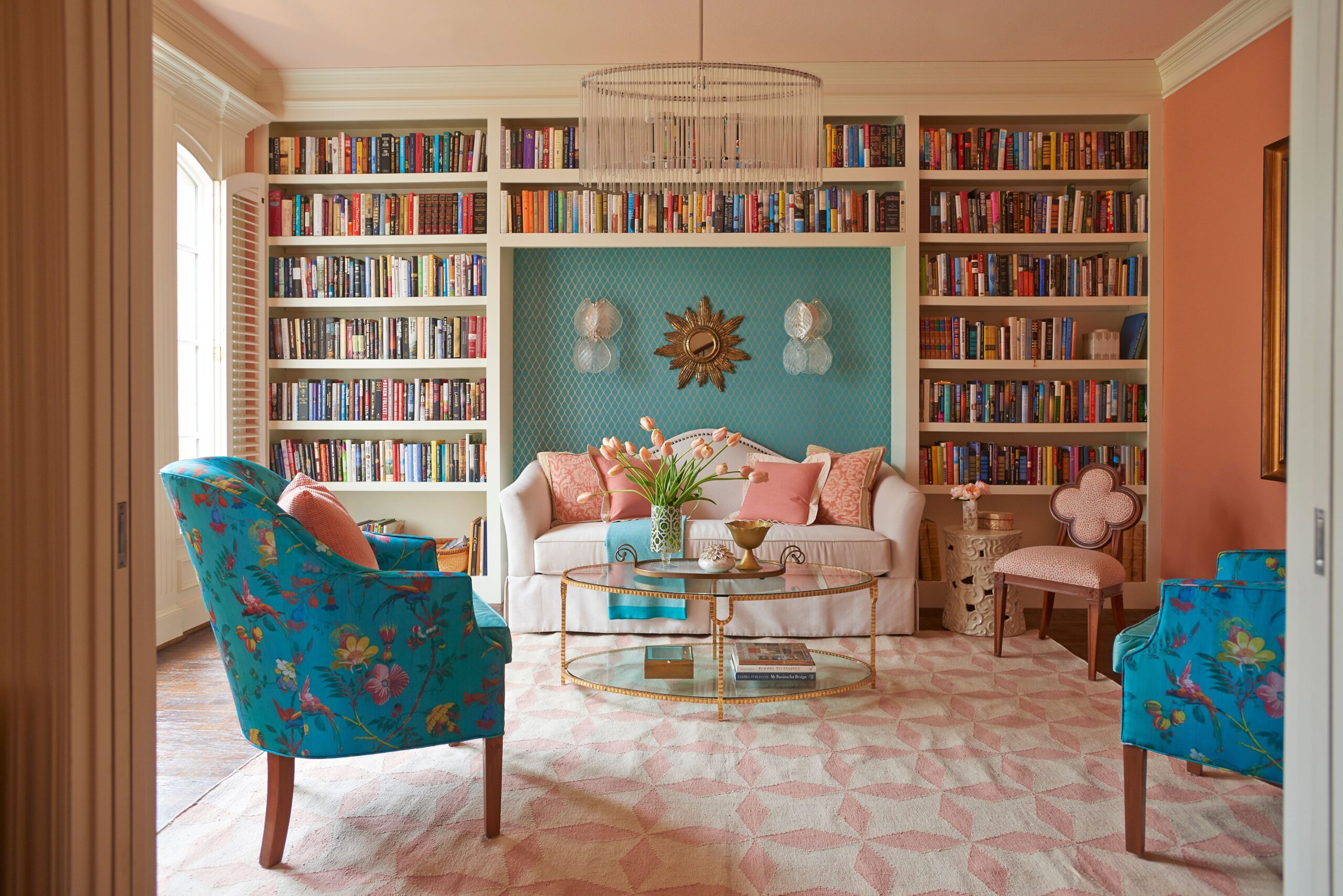
Bookshelves are the backbone of your home office library, but they do more than hold books. They define the room’s structure and mood. A full wall of books can create a bold, dramatic backdrop that instantly feels intellectual, while open, modular shelving keeps things airy and modern. Adjustable shelves allow your library to grow and evolve, so think ahead before installing fixed-height designs.
Built-in shelves make excellent use of wall space, especially if your office is small. Floating shelves can offer a minimalist look while keeping the floor clear and open. For a unique twist, try mixing closed cabinets with open shelving. This lets you display decorative pieces and hide less attractive storage items like paperwork or tech accessories.
If you have a smaller space, vertical shelving is your friend. Stack books upward instead of outward, and use every inch of height available. Even corners can be transformed into reading nooks with cleverly arranged shelves and lighting.
The Desk That Defines Your Space
A desk is the centerpiece of your office, both visually and functionally. It should suit your daily tasks and blend seamlessly with your room’s design. A sleek wooden desk brings warmth and character, while a metal or glass surface gives a clean, contemporary feel. Some people prefer a large executive desk for spreading out paperwork, while others find a smaller writing desk helps them stay focused.
Ergonomics should not be overlooked. A comfortable chair and proper desk height can prevent fatigue and improve posture. If you use multiple monitors or devices, consider cable management solutions to keep things tidy. Your workspace should feel open, not cluttered, allowing your thoughts to flow freely.
If you already own a desk that feels outdated, a simple refinishing project or a coat of paint can completely transform its look. A sturdy desk with personal touches like framed photos or a favorite lamp can make a world of difference in how the space feels.
Lighting That Sets the Mood
Lighting influences both mood and productivity, yet it is often an afterthought in home offices. The key is layering. Start with ambient lighting that brightens the room evenly, then add task lighting for your desk and accent lights for shelving or artwork.
Natural light is your most valuable ally, but too much can be distracting. Window treatments help regulate brightness throughout the day. Position your desk near a window for energy and inspiration, but avoid direct glare on your screen.
A classic desk lamp is not just functional but also a design statement. Choose one that complements your overall theme, whether it’s industrial, vintage, or minimalist. For a library feel, add warm lighting that makes evening reading inviting and soft on the eyes.
Bringing in Personality and Warmth
A home office library should feel deeply personal. Surround yourself with items that inspire you, not just ones that fill space. Art pieces, sculptures, travel souvenirs, or framed family photos all add life and meaning. Choose colors and textures that comfort you.
Layered rugs, textured curtains, and upholstered chairs introduce softness and help with acoustics. Even a single statement piece, like a patterned rug or bold armchair, can anchor the room. Adding greenery can also breathe energy into your workspace. Plants improve air quality and create a sense of calm that enhances focus.
The small details often have the biggest impact. A vintage clock, scented candle, or a carefully chosen bookend can subtly tie the design together.
Balancing Function with Inspiration
While beauty matters, practicality should not be overlooked. Keep your most-used books within reach and organize them by category or color for a clean visual flow. Avoid letting your office become overly decorated or chaotic. Simplicity supports focus.
Consider dividing the space into zones: one for deep work, another for reading or relaxation. A cozy chair near your shelves encourages breaks that recharge your creativity. The office-library hybrid works best when every element supports how you think, create, and rest.
Storage is another key piece. Hidden drawers, filing cabinets, or woven baskets keep clutter at bay. A tidy space encourages a tidy mind, which in turn promotes productivity.
Your Personal Haven of Productivity
Creating a home office library is not just about interior design. It is about designing a space that supports your goals and reflects your character. Every detail, from lighting to layout, influences how you feel when you step inside. The best spaces are those that motivate you to sit down, open a book or your laptop, and stay for hours because it feels right.
With careful planning and personal touches, you can build a home office library that inspires deep focus while offering comfort and warmth. It becomes a retreat from the noise of everyday life and a place where ideas can flourish.