Introduction
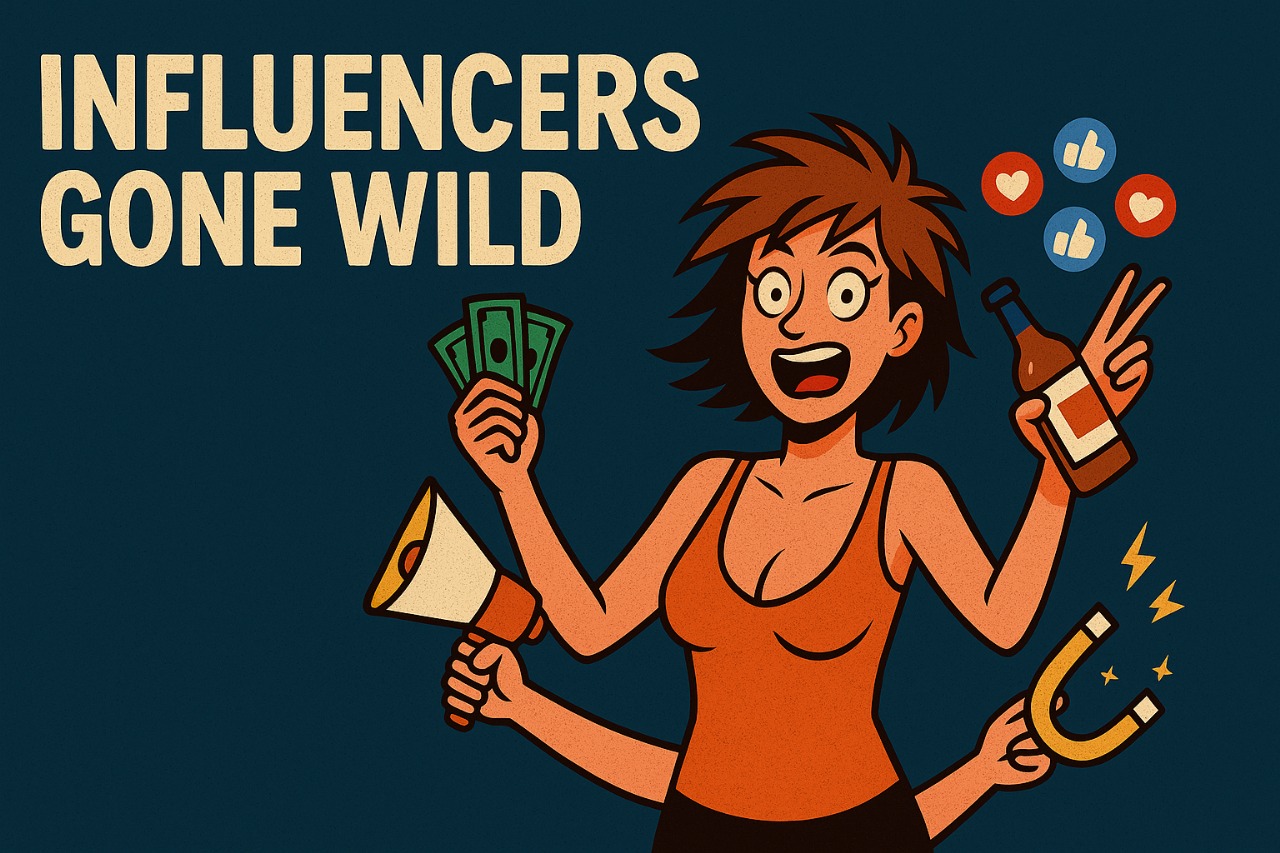
In today’s digital age, influencers shape how millions of people view fashion, travel, health, beauty, and lifestyle choices. But in the fast-paced attention economy of social media, many influencers feel pressure to push the limits. This often leads to what’s popularly described as “influencers gone wild.” It’s not about parties or chaos alone—it’s about crossing boundaries, staging shocking stunts, or sparking controversy to grab attention.
While such moves can catapult someone into viral fame overnight, the costs can be steep: backlash, loss of trust, brand cancellations, or even personal burnout. Understanding why influencers go wild, what it means for audiences and brands, and how to navigate this phenomenon is vital in today’s online culture.
What Does “Influencers Gone Wild” Mean?
The term describes situations where influencers deliberately step outside conventional norms of behavior or content creation to attract attention. This can include:
-
Performing outrageous stunts
-
Creating controversial or polarizing content
-
Participating in extreme challenges
-
Publicly feuding or exaggerating personal drama
-
Mixing private and public life in shocking ways
At its core, “going wild” is a strategy to stand out in an oversaturated market where countless creators compete for eyeballs.
Why Do Influencers Go Wild?
Several powerful forces drive this trend:
1. Algorithm Pressure
Social platforms reward engagement. Content that provokes strong emotional reactions—whether excitement, laughter, or outrage—gets more visibility. Influencers learn quickly that wild or dramatic posts travel faster.
2. Fear of Irrelevance
With trends changing by the hour, influencers fear losing visibility if they stick to safe or predictable content. Going wild becomes a way to stay in the spotlight.
3. Validation & Self-Worth
For many creators, numbers like views, likes, and followers directly affect self-esteem. This pressure pushes them to escalate tactics for validation.
4. Money & Sponsorships
Higher engagement translates into more ad revenue, brand deals, and business opportunities. Sometimes a shocking stunt can double or triple earnings overnight.
5. Copycat Effect
When one influencer goes viral for something wild, others often follow suit to avoid missing out. The cycle feeds itself.
The Consequences of Going Wild
While the rewards can be immediate, the risks are equally real.
1. Damaged Reputation
Audiences may feel manipulated or lose trust in influencers who constantly rely on shock tactics. One misstep can ruin years of credibility.
2. Lost Brand Deals
Brands prefer safe and positive representation. Wild behavior often leads to canceled contracts or fewer partnerships.
3. Mental Health Struggles
The constant need to outdo oneself can lead to burnout, anxiety, and even depression. Influencers often admit to feeling trapped by the pressure to perform.
4. Legal Trouble
Dangerous stunts, misinformation, or offensive content can trigger lawsuits, bans, or platform suspensions.
5. Diminishing Returns
Audiences eventually tire of controversy. What once went viral may start to feel forced or stale, making the influencer less appealing.
How Audiences React
Followers are not passive. Their reactions shape how influencers are rewarded or punished:
-
Supporters cheer on bold behavior, enjoying the drama.
-
Critics call out reckless or harmful content, sometimes fueling cancel culture.
-
Silent unfollowers simply walk away, leading to slow declines in engagement.
This feedback loop makes audiences powerful players in the influencer economy.
What Brands Should Do
For businesses, working with influencers is a balancing act. Brands should:
-
Vet influencer histories for red flags.
-
Include clear ethics clauses in contracts.
-
Focus on long-term partnerships instead of one-off viral moments.
-
Monitor not just engagement numbers but also audience sentiment.
Choosing the right influencer can build trust; choosing the wrong one can backfire instantly.
What Influencers Should Consider
For creators themselves, sustainability is key. Here are smart strategies:
-
Define clear boundaries of what you will and won’t do.
-
Use bold content sparingly rather than constantly.
-
Build diverse income streams so you’re not dependent on viral hits.
-
Protect mental health with rest, offline time, and supportive networks.
-
Be transparent with followers when stunts are staged, so trust isn’t broken.
The Future of “Influencers Gone Wild”
Social media culture is always evolving. Likely trends ahead include:
-
Stricter moderation: Platforms may crack down on extreme or harmful content.
-
Return to authenticity: Many audiences are already shifting toward creators who share honest, relatable content over spectacle.
-
Rise of micro-influencers: Smaller creators with loyal audiences may become more valuable than larger, drama-driven ones.
-
Greater accountability: As regulation around online advertising grows, influencer behavior may face more scrutiny.
FAQs
1. What does “influencers gone wild” actually mean?
It refers to influencers pushing boundaries—through stunts, controversy, or outrageous behavior—to capture more attention and engagement.
2. Why do influencers act out on social media?
Because bold, dramatic content often performs better in algorithms, attracting more views, shares, and brand opportunities.
3. Can going wild harm an influencer’s career?
Yes. While it may bring quick fame, it can also cause reputational damage, brand losses, and mental health struggles.
4. How should brands respond to influencers who go wild?
Brands need to vet carefully, add contract clauses, and prioritize influencers who align with their values.
5. What’s the future of influencer culture?
The trend is shifting toward authenticity, with more value placed on trust, relatability, and long-term influence rather than quick viral stunts.
Read More: MyFastBroker.com Review: Features, Safety & How It Works
Conclusion
“Influencers gone wild” captures both the creativity and chaos of the social media era. For some, it’s a shortcut to viral fame; for others, it becomes a trap that costs credibility, income, and mental health. While boldness can sometimes spark innovation, it must be balanced with responsibility.
For brands, the lesson is to look beyond follower counts and evaluate the integrity of creators. For audiences, the power lies in rewarding authenticity and rejecting harmful spectacle. And for influencers, sustainability means knowing your limits, valuing trust over clicks, and caring for your well-being.
The future of influencer culture will likely reward genuine connection, not constant shock value. True influence doesn’t come from going wild—it comes from building lasting impact.