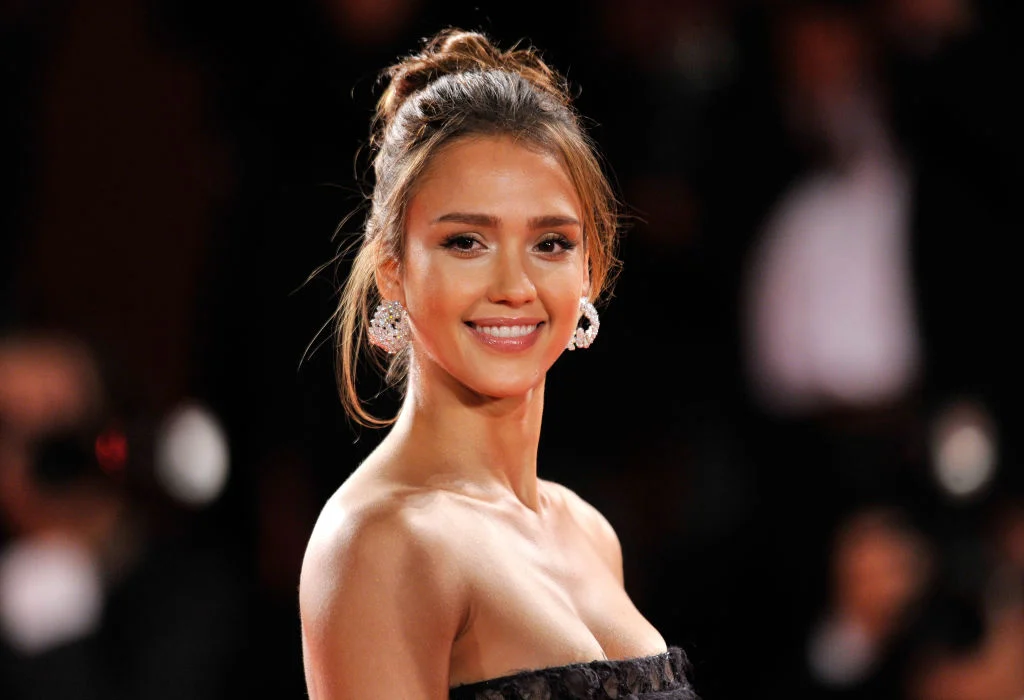
Jessica Alba rose to fame as a Hollywood actress known for roles in films like Fantastic Four and Sin City, but her name became entangled with one of the biggest privacy scandals of the digital age: The Fappening. This 2014 iCloud hack exposed private photos of numerous celebrities, sparking debates on cybersecurity and consent. While Alba was rumored to be among the victims, verified details remain elusive amid rampant misinformation.
Jessica Alba’s Rise
Jessica Alba began her career in the late 1990s, gaining prominence with the TV series Dark Angel. Her breakout film roles in Honey and Sin City showcased her as a versatile actress blending action and sensuality. By the mid-2000s, she had become a sex symbol, often ranked on lists like Playboy’s “25 Sexiest Celebrities,” though she publicly rejected nudity in her work.
Alba’s conservative upbringing influenced her boundaries; she declined nude scenes in projects like Sin City, opting for body doubles or prosthetics. This stance contrasted sharply with the invasive rumors that would later surround her during The Fappening. Her image as a modest star made the scandal’s association all the more jarring.
Understanding The Fappening
The Fappening erupted on August 31, 2014, when nearly 500 private images—many nude—were posted on 4chan and spread to Reddit. Hackers used phishing attacks and iCloud vulnerabilities to access celebrities’ accounts, selling photos for Bitcoin. The term “Fappening,” blending “fap” (slang for masturbation) and “happening,” captured the event’s sleazy online frenzy.
Victims included Jennifer Lawrence, Kate Upton, and Rihanna, who faced widespread distribution of intimate shots. Platforms like Reddit banned related subreddits amid backlash, but images proliferated via torrents. The scandal highlighted iCloud’s security flaws, prompting Apple updates and FBI investigations.
Jessica Alba The Fappening
Rumors linked Jessica Alba The Fappening early on, with sites claiming her topless and nude photos leaked alongside stars like Scarlett Johansson. Reports from outlets like ABC News listed her among hacked celebrities, fueling speculation about compromised phones or emails. However, unlike confirmed victims, no authenticated Alba images surfaced from the main breach, leading some to question the claims.
In the chaos of The Fappening, Alba’s name trended due to prior hacks; 2011 reports noted her phone targeted, though details were vague. Fake or misattributed photos flooded forums, exploiting her sex-symbol status from films like Into the Blue. Alba stayed silent publicly, avoiding the media storm that saw others like Lawrence decry it as a “sex crime.”
The Fappening’s shadow lingered for Alba, as aggregator sites years later peddled unverified “leaks” tied to her name. This misinformation blurred lines between real breaches and fabricated content, amplifying privacy invasions. Her team focused on damage control without confirmation, prioritizing her family life and business ventures.
Impact and Jessica Alba’s Response
The Fappening cost celebrities emotionally and professionally, with victims reporting trauma from non-consensual exposure. For rumored targets like Alba, the reputational hit persisted through hoax galleries and deepfakes. Legal actions followed; Ryan Collins pleaded guilty in 2016 for related hacks, but many perpetrators evaded justice.
Alba never issued a direct statement on her alleged involvement, consistent with her low-key approach to scandals. Instead, she channeled energy into The Honest Company, founded in 2011, which grew into a billion-dollar ethical brand. Her 2025 reflections on a “humiliating” nude scene in Fantastic Four—not a leak—underscored her aversion to objectification.
Reflecting broader industry shifts, Alba now produces via Lady Metalmark Entertainment, advocating diverse stories. The Fappening underscored her long-held modesty, as she navigated fame without compromising principles. Cybersecurity experts post-event urged two-factor authentication, lessons still relevant today.
Broader Cultural Fallout
The Fappening ignited calls for better tech protections and victim empathy. Celebrities like Kim Kardashian called it a “wake-up call,” while forums debated consent versus public curiosity. It spawned copycat leaks, like 2017’s “Fappening 2.0,” targeting more stars but with less impact.
For Alba, the episode reinforced her pivot from acting to entrepreneurship. By 2025, amid personal milestones like her divorce filing, she posted confidently on social media, reclaiming her narrative. The scandal’s legacy endures in discussions of digital ethics, reminding all of privacy’s fragility.
Alba’s journey from rumored Fappening victim to empowered mogul highlights resilience. Platforms now monitor leaks aggressively, but the internet’s memory clings to untruths. Her story serves as a cautionary tale in an era of pervasive hacking threats.