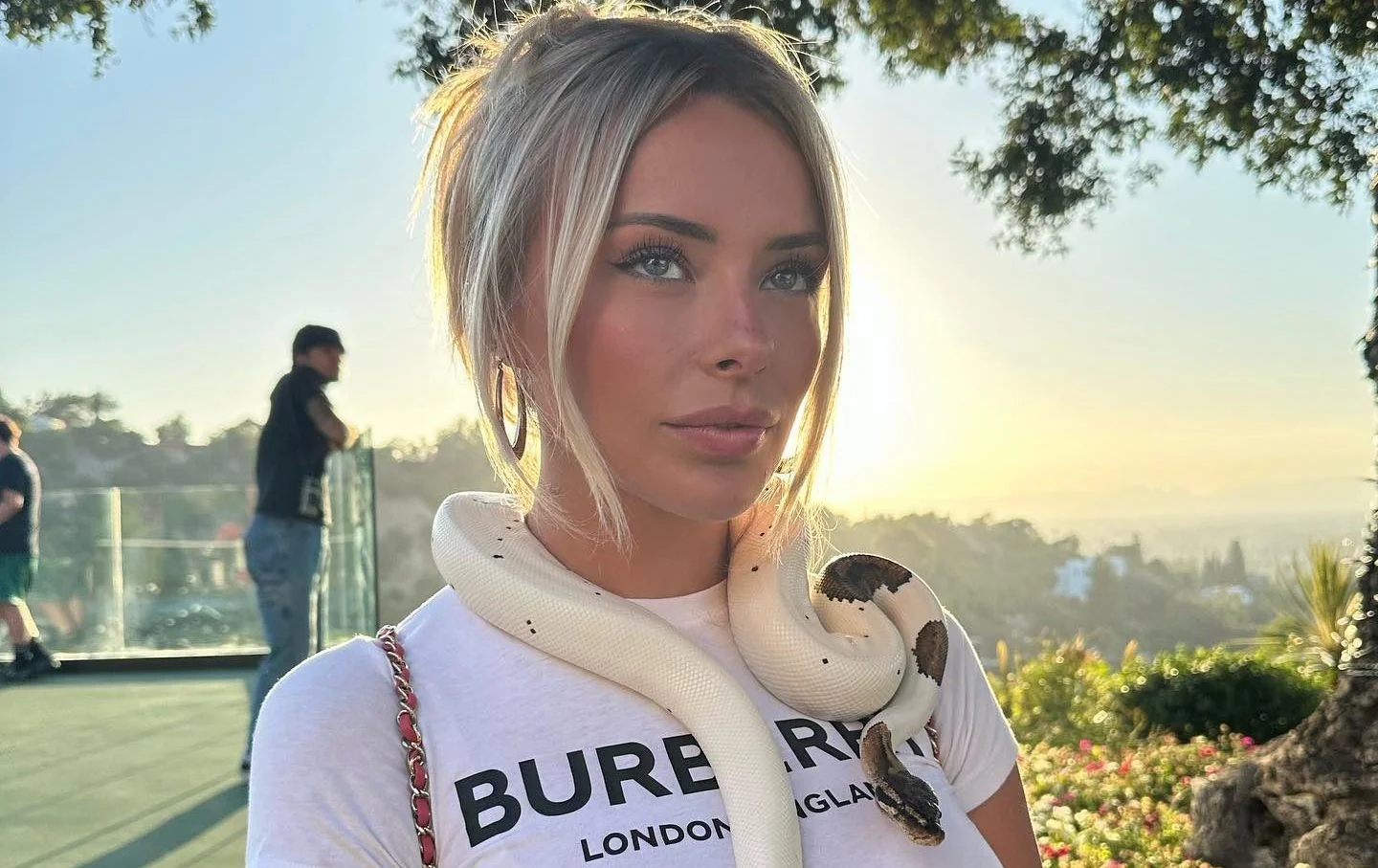
Corinna Kopf The Fappening is often used online as clickbait, but it misleadingly links a modern influencer’s leaked‑content controversy to a specific 2014 hacking incident that she was not part of. Understanding why this is inaccurate requires looking at both Corinna Kopf’s real situation and what The Fappening actually was.
Who Corinna Kopf Is
Corinna Kopf is a social‑media personality and streamer who gained prominence through YouTube vlogs and later through gaming and OnlyFans content. She built a large following across platforms, with millions of subscribers and followers on YouTube and Instagram before moving heavily into subscription‑based adult content. Her brand mixes lifestyle, gaming, and adult‑oriented material behind a paywall.
Over time, her online presence has shifted from being mainly part of collaborative vlog groups to running a more independent, monetized creator business. This shift placed greater emphasis on controlling access to her images and videos, including through platforms such as OnlyFans.
Corinna Kopf The Fappening Explained
The keyword phrase Corinna Kopf The Fappening combines her name with the label used for the 2014 celebrity nude photo leak, sometimes called Celebgate or The Fappening. In 2014, hackers accessed private iCloud accounts of over 100 celebrities and dumped hundreds of intimate images online, primarily via 4chan and Reddit. That coordinated attack involved phishing and unauthorized access to cloud backups, targeting well‑known actors and musicians, not influencers like Kopf.
Using Corinna Kopf The Fappening in headlines or tags typically aims to capture search traffic by suggesting a connection between her and that event where none exists. It blurs the line between separate privacy issues and can unfairly amplify harassment directed at her by invoking one of the most infamous hacking scandals in internet history.
The Fappening: What Actually Happened
The Fappening refers specifically to the 2014 mass leak of hundreds of private nude photos of celebrities stolen from their iCloud accounts. Hackers used phishing emails and password‑guessing tools to gain unauthorized access, then distributed the files on image boards and social platforms for attention and money. The incident triggered global debate about cloud security, tech company responsibility, and victims’ privacy rights.
The label itself mixes the happening with a slang term for masturbation, and has been widely criticized for trivializing a serious violation of privacy. News coverage and later legal actions emphasized that posting or hosting the stolen images could expose people to claims under copyright, privacy, and related laws, even when platforms invoked safe‑harbor protections like those in the DMCA.
Corinna Kopf and Leaked Content
Corinna Kopf has dealt with a different kind of leak controversy: unauthorized sharing of her paywalled OnlyFans content by subscribers. After launching her OnlyFans, some users threatened to repost or sell her photos outside the platform, undermining both her income and her control over where her images appear. She publicly warned that people who redistributed her subscription content without permission could face legal consequences, including potential lawsuits.
Unlike The Fappening, where hackers broke into cloud accounts, the issue here centers on subscribers copying and reselling material they accessed legitimately but are forbidden by terms of service and copyright law from redistributing. This scenario is closer to image‑based piracy than to a large‑scale hacking operation, even though the harm to the person’s privacy and livelihood can still be significant. In this modern context, calling the situation Corinna Kopf The Fappening misrepresents both the original 2014 hack and the nature of her OnlyFans dispute.
Legal and Ethical Issues Around Leaks
Both The Fappening and cases framed online as Corinna Kopf The Fappening sit within a wider legal and ethical conversation about intimate image abuse and platform responsibility. Legally, sharing someone’s explicit images without consent can implicate privacy laws, copyright law (because the creator usually owns the photo), and, in many jurisdictions, criminal statutes against non‑consensual sharing of intimate images. Even when hosts rely on protections like Section 230 of the U.S. Communications Decency Act, which limits liability for user‑posted content, victims can still send takedown notices or sue direct offenders.
Ethically, treating hacked or leaked images as entertainment, whether under a sensational phrase like The Fappening or Corinna Kopf The Fappening, normalizes exploitation. It shifts blame away from those who steal and spread private content and onto the individuals photographed, reinforcing stigma and encouraging further harassment. A more responsible approach focuses on consent, supports quick removal of unauthorized images, and recognizes that monetizing or joking about leaks deepens the harm to those targeted.