Paige VanZant’s career, what The Fappening was, and why consent and privacy matter so much in the digital age. Any discussion of Paige Vanzant The Fappening should center on ethics, legality, and respect rather than on the leaked content itself.
Who is Paige VanZant?
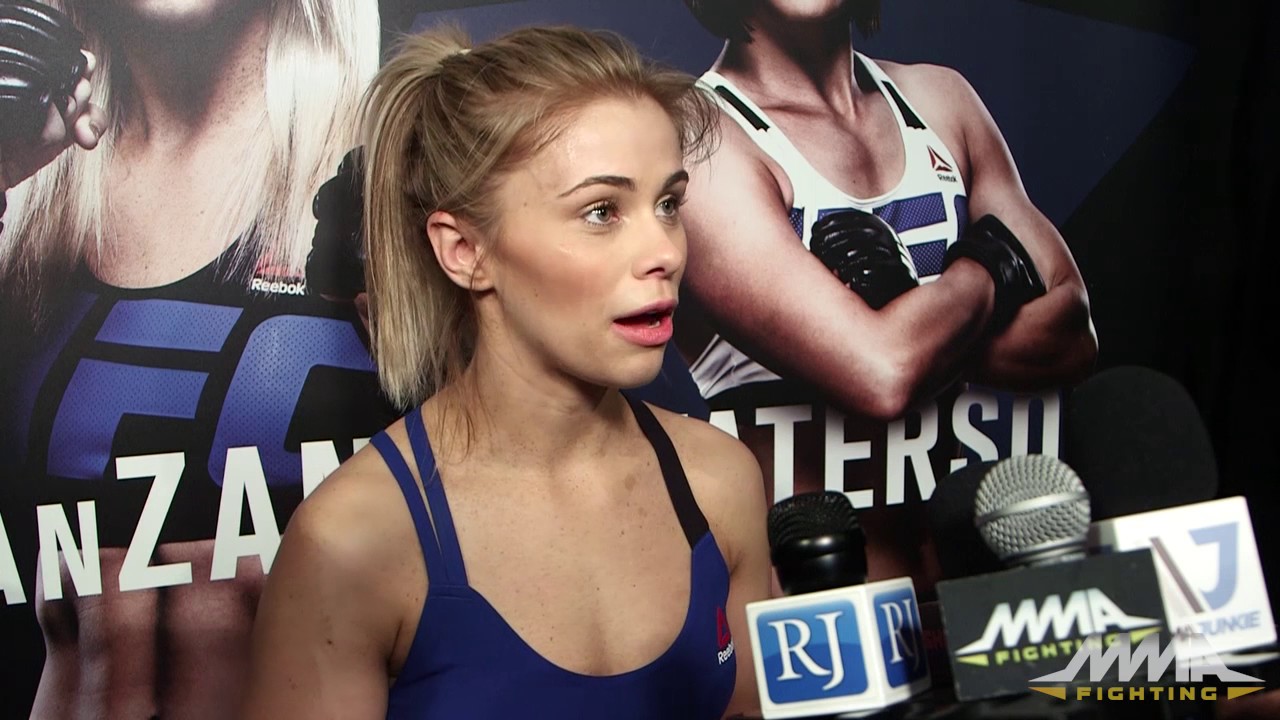
Paige VanZant is an American combat sports athlete known for competing in the UFC’s strawweight and flyweight divisions before moving on to bare-knuckle boxing and other promotions. She has also appeared as a professional wrestler, has done modeling and media work, and published a memoir, which helped her build a public profile that extends far beyond the cage.
Her aggressive, scrappy style and willingness to engage in high-action fights made her a fan favorite early in her UFC career. Outside of fighting, her participation in mainstream shows and her active social media presence turned her into a crossover personality, which inevitably brought more attention—both positive and negative—to her personal life and image.
What was The Fappening?
The Fappening was a large-scale leak of private, sexually explicit photos of dozens of celebrities that began in late August 2014, after hackers illegally accessed cloud accounts and distributed the images online. The incident, also called Celebgate, involved hundreds of stolen images and sparked intense debate about online security, misogyny, and how internet culture treats women’s bodies.
The photos were first spread on anonymous imageboards and then rapidly reposted across mainstream platforms, including Reddit, where dedicated communities briefly formed to trade and share the stolen images before being shut down. Journalists and commentators later described The Fappening as a turning point in public awareness of how easily cloud services can be exploited and how quickly non-consensual intimate imagery can go viral.
Paige Vanzant The Fappening narrative
Over time, search trends and clickbait headlines have blurred lines between different scandals, which is one reason the phrase Paige Vanzant The Fappening now appears around the web even when the underlying stories actually relate to separate issues, such as OnlyFans content or unrelated leaks. This kind of conflation can be misleading, because it treats any sexualized mention of a public figure as interchangeable, instead of recognizing the specific facts, timelines, and consent questions in each case.
When people casually link Paige Vanzant The Fappening in posts or articles, it can unintentionally reinforce the idea that all intimate content involving a celebrity is fair game for public consumption. In reality, there is a huge ethical difference between consensual, paid content that a creator chooses to share and hacked or stolen images that were never meant to be seen by the public.
Ethics, law, and fan responsibility
Any discussion that uses the phrase Paige Vanzant The Fappening should make clear that searching for, sharing, or reposting hacked intimate images is not entertainment; it is participation in a violation of someone’s privacy. Many jurisdictions now treat the distribution of non-consensual intimate imagery as a crime, and platforms have begun to adopt stricter takedown policies and bans to limit the spread of such content.
For fans, the ethical choice is to support Paige VanZant’s professional work—her fights, official photos, licensed products, or any consensual content she offers—rather than hunting for or trading in material tied to Paige Vanzant The Fappening or similar leaks. Respecting consent, acknowledging intellectual property rights, and refusing to amplify stolen content are the key ways audiences can help push internet culture toward greater accountability and basic human decency.